- Automotive
- Craft
Five camera moves that make cars look fast
· 1 min read · Manmadecinematics
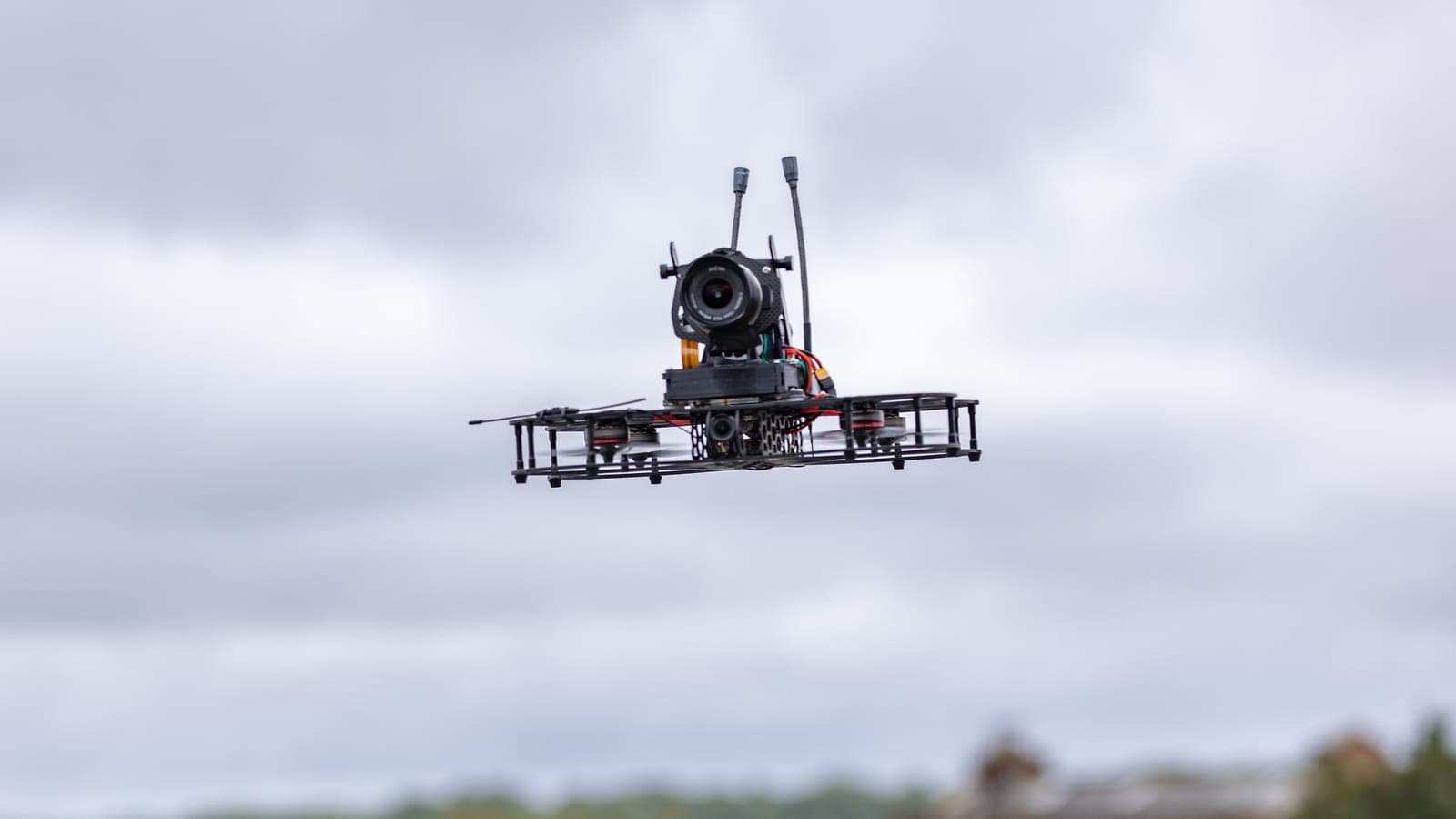
A car does not look fast because it is fast. It looks fast because of what moves around it and how the camera moves against it. These are the five moves we come back to most often, and FPV lets us commit to each of them in a single take.
The low pass
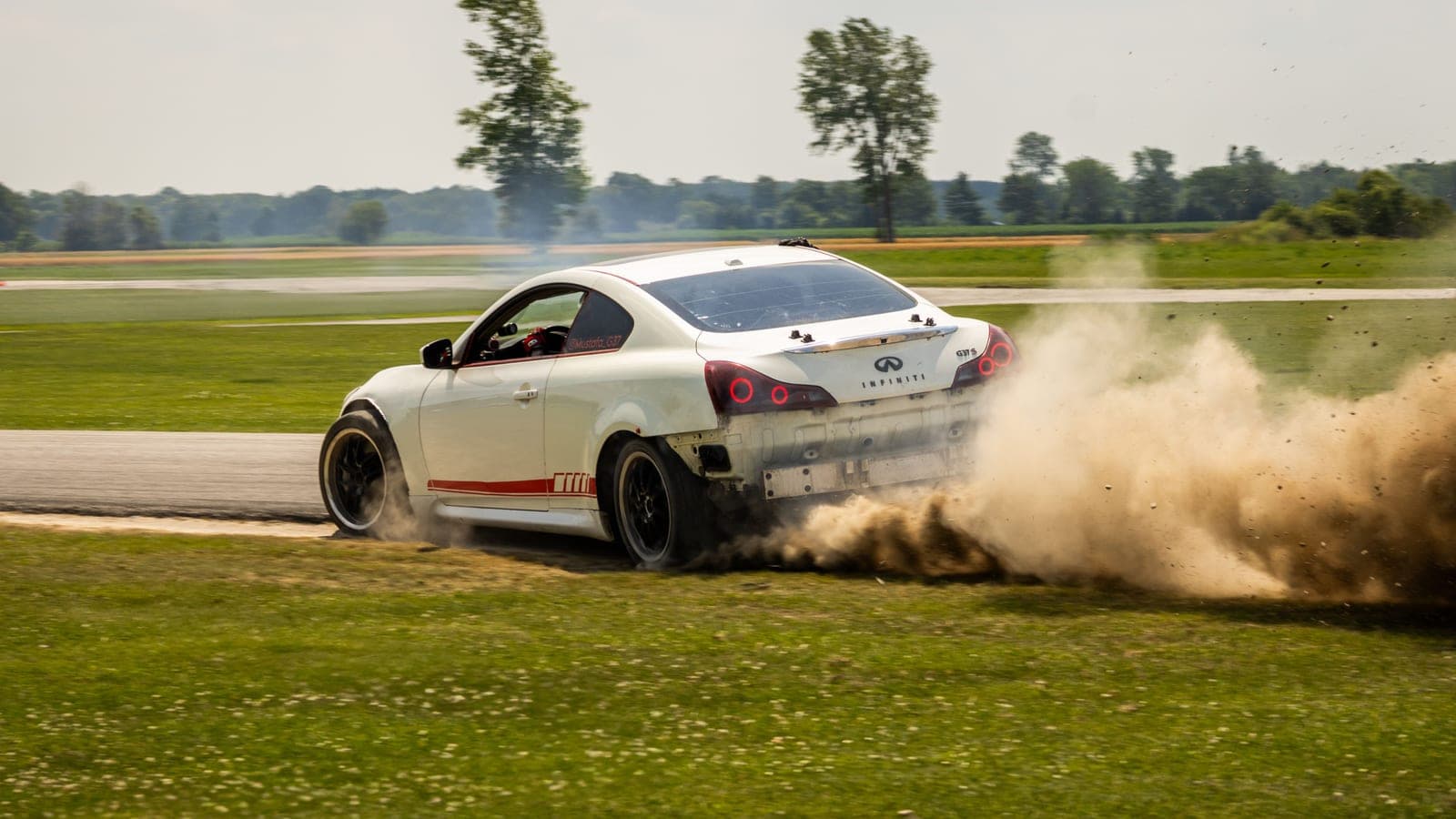
Keeping the camera low and close to the road surface exaggerates the speed of everything in the frame. Texture rushing past the lens does the work, so the surface matters: gravel, snow and sand read clearly, while smooth tarmac needs other cues such as lane markings and roadside detail.
The tracking drift
Matching the car's speed and sliding alongside, a little behind the front wheel, keeps the car readable while the background streaks. It is the shot that sells a corner exit, and it works best when the pilot and driver have rehearsed the line together.
The orbit
Circling a moving car shows its shape from every side in one move. A slow orbit feels elegant. A tight, fast one feels aggressive. We choose by the car and by the story the film is telling.
The through-and-reveal
Beginning behind an obstacle such as a dune crest, a tree line or a cloud of dust, then flying through it to find the car, gives the shot a surprise at the start and a natural reason to be in motion.
The pull-away
Ending by rising and drawing back to show the car in its landscape gives the moment scale and a clean place to cut. On every one of these moves we agree a safe distance and a clear plan with the driver, and we follow local rules for flying near vehicles and people.